


EN 
What are the polyphenols and why everyone talks about them when Is it about mental health and nutrition? The answer is simple: they are composed bioactives of plant origin. In practice, they are real shields that plants produce to defend themselves from external aggressions.
In the human body, these molecules transform into powerful allies for cognitive well-being. Often associated with the concept of natural antioxidants for the brain, polyphenols they are actually much more. Understand how they work, what polyphenols are Benefits and where to find them can fundamentally change the way you manage your nutrition helping you to keep a clear head when you need to. Let's find out together how they work and in which foods it is possible to find them.
Imagine polyphenols as a great family of natural bodyguards. They are not all the same and are divided into four Main groups:
The golden rule? The variety food is essential. Since each family acts differently, Eating the same fruit over and over again is not enough. To get the most out of it, the ideal is vary the colors and sources of these substances.
To maximize the benefits, it is It is important to facilitate its absorption. For example, consuming polyphenols together with sources of vitamin C (such as a squeeze of lemon on green tea) or healthy fats (such as olive oil on vegetables) dramatically increases bioavailability.
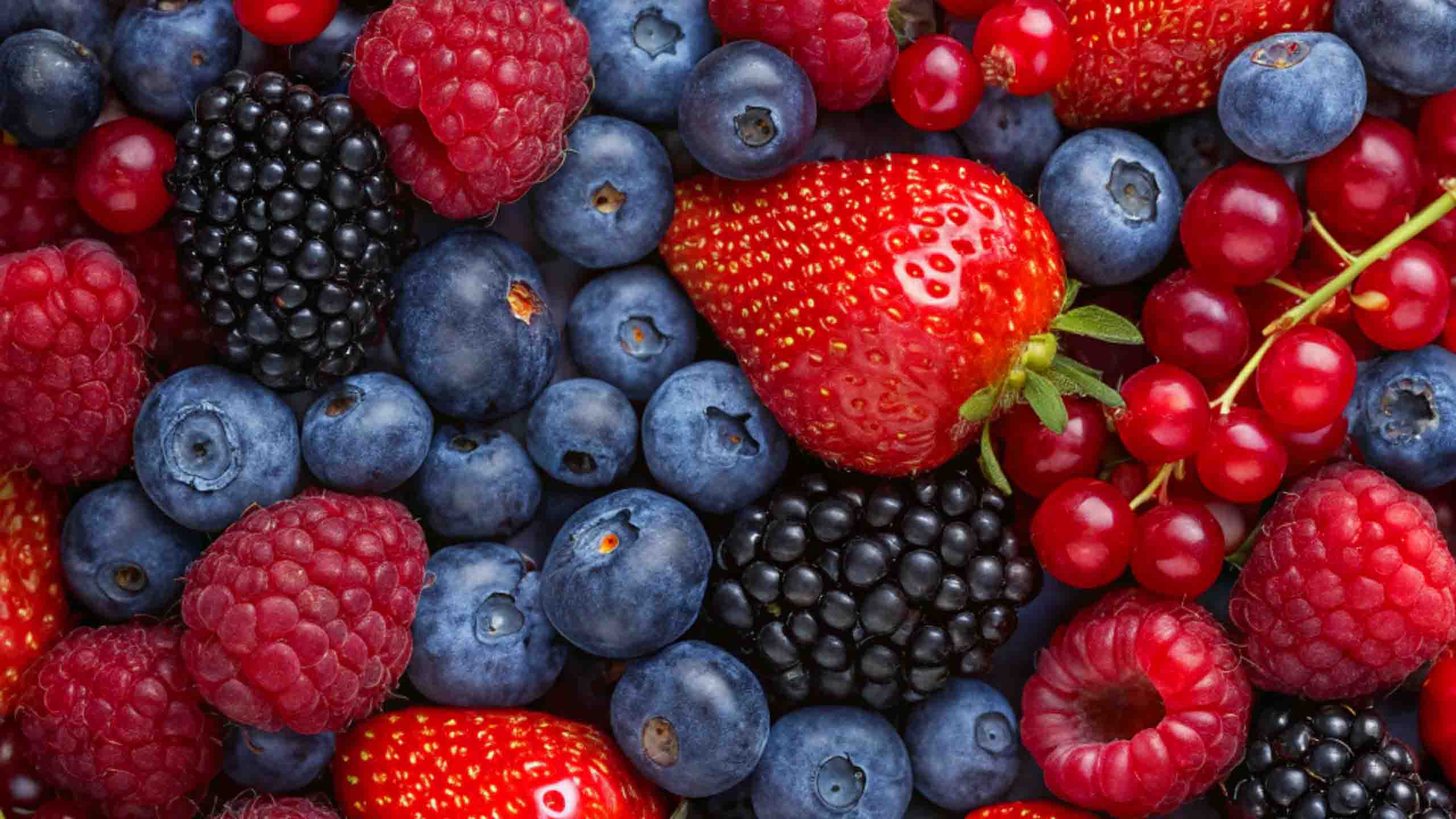
How polyphenols support your
brain?
The link between polyphenols and the brain It is one of the most fascinating fields of modern neuroscience. These molecules they do not limit themselves to nourishing the body, but communicate directly with the system nervous. Here's how they work to keep your mind bright:
Including polyphenols in the diet is easy if you know where to look. Here is a strategic selection of the most suitable foods to stimulate the functions cognitive:
Especially for those looking for support practical during the busiest days, there is S-Nap Shot: a functional drink for the concentration that combines the natural juices of pineapple and kiwi (and their valuable phytonutrients) along with other nootropic substances. Need a booster? Charging the mind, buy it here and regains her lost lucidity.
They are natural chemical compounds produced by plants to defend themselves from UV rays and pathogens. In the body human antioxidants act as powerful antioxidants and anti-inflammatories, protecting the cells, including brain cells.
Flavonoids (found in fruits reds, cocoa and citrus fruits), resveratrol (grapes) and EGCG (green tea) are among the more effective in crossing the blood-brain barrier and protecting neurons oxidative stress.
Yes. Several studies show that a regular consumption of polyphenols improves blood supply to the brain and stimulates the creation of new synapses, helping to counteract fatigue mental and supporting short- and long-term memory.