


EN 
You too fall back on the classic sandwich on the fly or on the hyper-seasoned pasta dish? Often the consequence is a great classic: mental fog and post-prandial absconting. The solution to maintain focus and deal with the afternoon at maximum energyexists and is incredibly tasty: the salad as a single dish, evolved in its most functional, the brain bowl.
A meal that is unbalanced on carbohydrates and low in fiber, triggers glycemic peaks and falls that are the directly responsible for afternoon fatigue. The bowl was created to unhinge this mechanism. Its structure with separate components allows you to assemble all the necessarymacro and micronutrients in a single container for a pro-concentration lunch.
The secret is to move from the concept of calorie density to that of nutritional density: it doesn't just matter how much eat, but how many molecules useful to your brain can you insert into each bite. A useful indicator of this density is the color of the pigments plants: green chlorophyll, red lycopene, blue-violet anthocyanins and Yellow-orange carotenoids indicate the presence of powerful antioxidants.
Combining fiber, quality proteins, good fats and complex carbohydrates in the same salad you get a dish healthy for the mind and for glycemic stability.
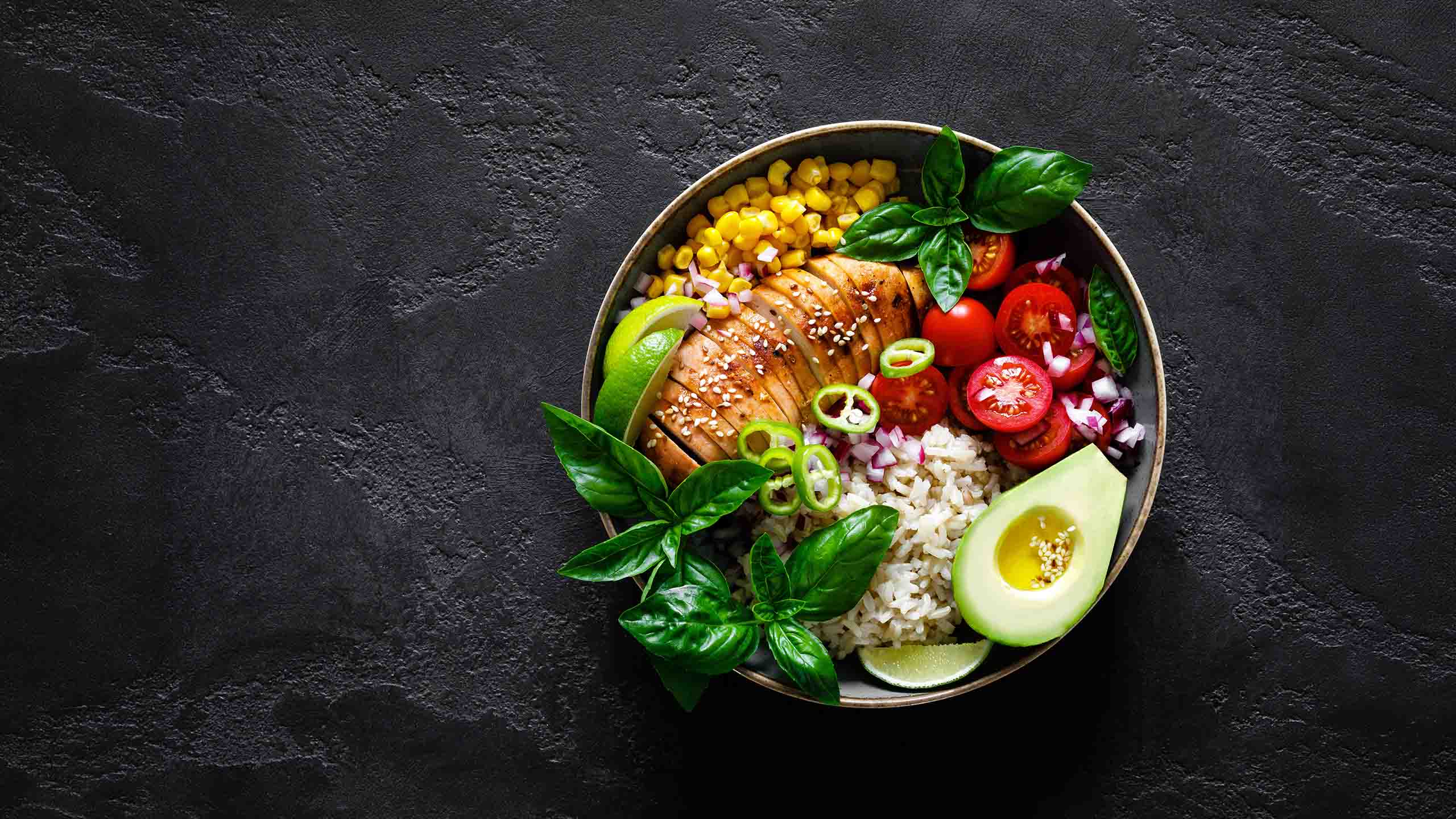
To create a functional salad for brain it is important to choose the right ingredients. You just need to follow the right steps to prepare a balanced bowl suitable for supporting concentration even at home.
Instead of white rice, choose quinoa, spelt, barley, sweet potatoes or lentils. These slow-release carbohydrates provide constant energy without glycemic fluctuations. Quinoa, in particular, it is exceptional: it is the only cereal with an amino acid profile complete, the perfect base (about 60-80 grams raw) for your bowl.
Fill at least half of the dish with three different colors. Add baby spinach (rich in magnesium), kale (vitamin K) or rocket, whose natural nitrates improve circulation cerebral. Don't forget tomatoes, carrots or a handful of blueberries fresh: their anthocyanins are among the most studied antioxidants for support of memory.
A real protein salad for concentration requires the right amount of amino acids. Opt for eggs (their choline is essential for memory and learning), salmon (rich in DHA for neuronal membranes), chickpeas or lean poultry. Include an appropriate portion to ensure satiety until evening.
Fats at lunch, they should not be feared: they slow down the absorption of glucose and They allow you to assimilate the fat-soluble vitamins of vegetables. Use medium avocados, walnuts (rich in Omega-3 ALA), flaxseeds or good oil extra virgin olive oil, precious for its oleocanthal.
Complete with pumpkin seeds that contain zinc and magnesium, useful for synthesizing neurotransmitters, sprouts or a sprinkling of turmeric and black pepper, a powerful cerebral anti-inflammatory. Use lemon juice as a dressing: the vitamin C will multiply the absorption of vegetable iron.
Are you looking for good recipes for autumn And winter? Here are three practical variations of brain bowl:
To optimize the boost effect mental health, you can combine your salad with an S-Nap Shot, the functional drink without added sugars and with real adaptogenic ingredients such as ginseng and spirulina. The perfect drink to increase concentration: buy brain fuel on Amazon from this link.
The best ingredients include dark leafy vegetables (spinach, kale) for vitamins and folate, sources of Omega-3 (salmon, walnuts), eggs for choline and slow-release carbohydrates such as quinoa to keep blood sugar stable.
To avoid the blunder, make sure that your bowl contains an adequate amount of lean protein, healthy fats (such as avocado or extra virgin olive oil) and a lot of fiber. This combination slows down the digestion of carbohydrates and avoids glycemic peaks responsible for the drowsiness.
Cooked cereals (spelt, quinoa) and proteins such as chicken or hard-boiled eggs can be kept in the refrigerator for 3-4 days in airtight containers. It is advisable to wash leafy vegetables and season the bowl only at the time of consumption to maintain its crunchiness.
Replace meat and fish with a mix strategic: combines whole grains (spelt, barley) with legumes (chickpeas, beans edamame) to achieve a full amino acid spectrum. Add eggs, tofu, or tempeh, and use flaxseed to supplement plant Omega-3s.