


EN 
Have you ever run out of a drink energetic and soon after, feeling your heart pounding wildly in your chest? The tachycardia is one of the most common reactions when high quantity of stimulants in a short time. When we explore the link between energy drink and tachycardia, we enter a territory where the search for a Fast performance meets the complex physiology of our system circulatory system.
In this article, we will analyze A clear and objective approach to the cardiovascular risks of energy drinks. We will understand how the human body reacts, we will learn to distinguish a normal physiological response from an alarm bell and we will see how to maintain the high concentration without overloading the heart muscle.
Energy drinks show significant cardiovascular risks, especially in case of excessive, rapid or in people with a predisposition. Take high doses of stimulants in a short time time causes a strong activation of the nervous system, triggering a reaction chain that directly impacts heart rate and blood pressure.
Caffeine intervenes by blocking adenosine receptors, the brain molecule that communicates sense to the body of fatigue. By deactivating this natural brake, the body releases rapidly adrenaline. This molecule activates an acute alert state: blood vessels narrow, blood pressure rises, and muscle the heart rate speeds up to pump more blood.
The heart's reaction to stimulants it is a strictly personal factor. The real impact depends on genetic sensitivity, from habit to consumption and, above all, from speed of their hepatic metabolism. People who slowly metabolize the substances retain caffeine in the blood much longer, experiencing a feeling nervous agitation and an accelerated heartbeat definitely more pronounced and annoying.
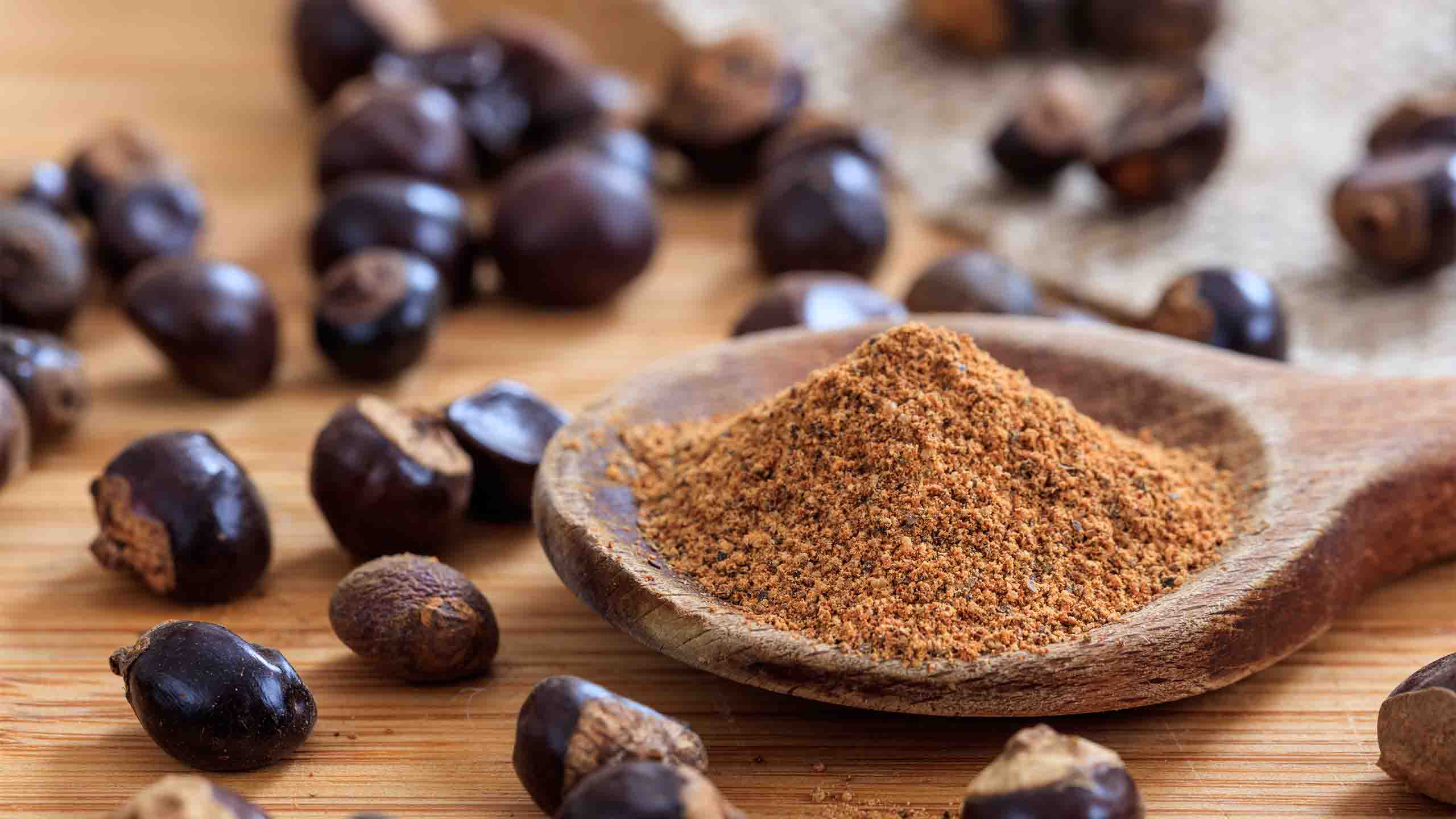
To assess the real impact of these beverages, it should be considered that a standard energy drink does not contain only caffeine, but often a mix of sugars (or sweeteners), taurine, vitamins and guarana. The latter is a crucial detail: guarana is a an additional source of caffeine that is often not included in the estimated total. Moreover, the scientific debate is still open on other ingredients: recently The link between taurine in energy drinks and Leukemia.
But how many energy drinks per day do you can they drink? According to EFSA (European Safety Authority) Food), the maximum safe dose of caffeine for a healthy adult is about 400 mg distributed throughout the day and no more than 200 mg in a single intake. For comparison, a 500 ml can of a classic energy Drink can contain from 160 to 200 mg of caffeine in a single shot. For children and adolescents, health authorities indicate a much higher limit severe, equal to 3 mg per kilogram of body weight, making the binomial energy Drinks and young people are a topic of great attention.
These are general limits and not personalized advice. What really matters is total consumption daily: the calculation includes morning coffee, tea, chocolate and even some pre-workout supplements. The risk is skyrocketing when creating critical combinations. Consuming energy drinks together with alcohol, during extreme physical activity, after a sleepless night or in scorching heat conditions subjects the cardiovascular system to a excessive stress.
Although a healthy adult can tolerate moderate doses of stimulants well, there are people with certain conditions that should require much more caution. The energy combination Drinking and heart become risky for people with heart conditions pre-existing conditions, hypertension, or known arrhythmias. The same applies to those suffering from anxiety disorders, panic attacks, or sleep-related problems.
Consumption is also not recommended in pregnancy, during breastfeeding, and for those taking medications or supplements which can interact with caffeine or stimulating plant extracts.
In case of palpitations after energy drink, First of all, it is advisable to try to calm down: often the symptom regresses from only by hydrating and resting. There are specific signals, however, that immediate medical intervention is required: if palpitations persist and are accompanied by chest pain, fainting, severe dizziness or shortness of breath, it is advisable to contact emergency services or go to the emergency room rescue.

Bombarding the nervous system central? To keep the mind clear, it's much better to learn how to manage your energy reserves. For example, check how much caffeine contain drinks and food, help monitor daily consumption and Understand when it's time to stop.
To avoid energy crashes and maintaining constant levels of mental focus throughout the day, is It is useful to maintain constant hydration, protect the quality of nighttime sleep and take advantage of exposure to natural morning light. Movement too light, like a rejuvenating walk, can reactivate circulation in a way physiological.
For those seeking practical support during intense study or work sessions, there are healthier alternatives, Think specifically for mental clarity and not for hyperarousal physical. S-Nap Shot, for example, is a functional drink formulated by experts in neuroscience. Contains a minimal dose of balanced caffeine (0.0093%) with natural extracts such as ginseng and spirulina, without added sugars: Try it now, buy brain fuel on Amazon from this link.
The half-life of caffeine in an adult healthy range varies from 3 to 5 hours. This means it takes several hours so that the amount in the blood is halved. If you feel a rapid heartbeat, the More intense symptoms usually tend to subside within 1-2 hours from intake, but residual stimulation can last much longer.
The absence of sugar prevents glycemic peak and the resulting energy "crash," but it does not reduce cardiovascular risks related to stimulants. The amount of caffeine, taurine and other stimulants remains unchanged, so the impact on heart rate and blood pressure is identical to that of the sugary versions.
Regular consumption develops Caffeine tolerance: means the body gets used to it and requires doses to achieve the same wakefulness effect. However, this Tolerance does not "immunize" the cardiovascular system. High doses continue to put pressure on the heart and blood vessels, even if the perception subjective reaction of the accelerated heartbeat is attenuated.