


EN 
What it helps with Playing chess? This game offers several cognitive and emotional benefits: it is good for the mind in profound way. This is not an exclusive pastime for geniuses of the mathematics or professionals, but a practice accessible to anyone who wants to keep your brain trained and elastic.
Many people have dusted off their old chessboard after the boom of "The Queen's Chess" on Netflix or during lockdown. We hope they haven't kept it in the same way again. Attic: Science considers chess one of the best tools for enhance mental faculties and, in this article, we will discover the real effects on the brain.
Why chess is a unique case cognitive training? Unlike many brain games that stimulate isolated areas, an active game on the board both cerebral hemispheres simultaneously.
The left side of the brain works at full speed on logic, rational analysis and the calculation of probability. The right side, at the same instant, lights up to recognize the visual patterns on the board, stimulate creativity and interpret the real intentions of the opponent.
This continuous synergy fosters a Crucial phenomenon: the direct relationship between chess and neuroplasticity. Your brain is literally being pushed to create new synaptic connections. When exploring the link between chess intelligence and creativity, it turns out that logic and overall vision work in perfect harmony.
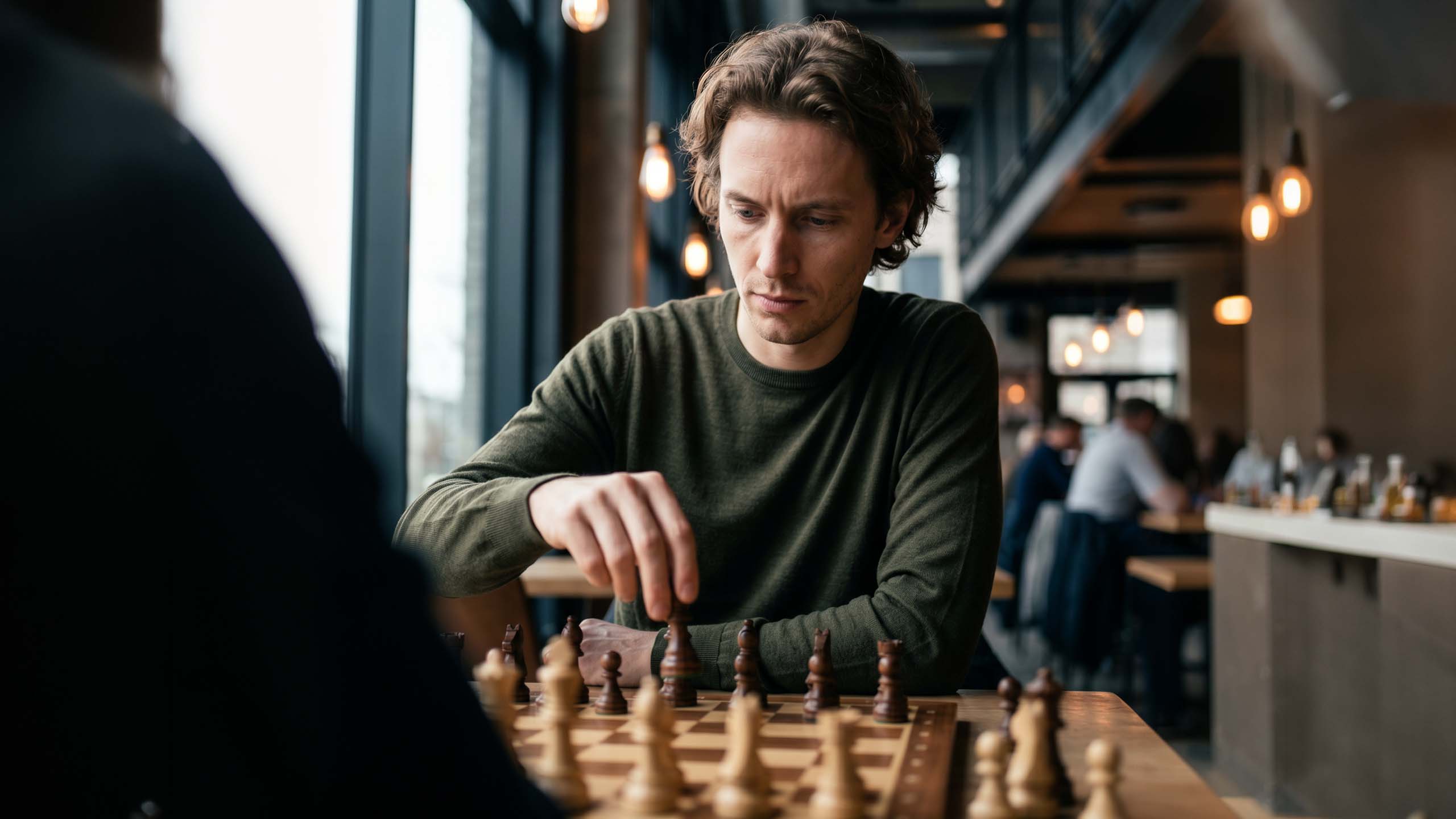
Scientific research has largely documented the benefits of chess for the brain. Let's explore the I detail the cognitive faculties that are most enhanced by this sport, keeping the mind active and slowing down the process of decline cerebral, which becomes increasingly significant in old age.
Who regularly plays this sport develops a procedural and long-term memory much higher than media. Store dozens of openings, defensive configurations and endings of forces the brain to exercise constantly, enhancing the pattern recognition, i.e. the immediate recognition of recurring patterns.
In the combination of chess and concentration, Uninterrupted attention is the key to victory. A match requires focus training, training the mind to shield itself from external distractions to long periods.
Especially during the longest games or in the study of openings, mental fatigue can be felt. A Targeted support makes the difference: with its superfoods and no added sugar, S-Nap Shot guarantees a clean mental boost, without the aggressive nervous charge of energy drinks. Charging the mind, buy it here and returns to dominate the chessboard.
Anticipate your opponent's moves it strongly activates the executive functions of the frontal lobe. Learn to evaluate multiple scenarios and calculate risks and benefits before taking a irreversible decision.
It is about the ability to solve new problems in real time, processing new information in a timely rapid. On the board, every unexpected move forces you to readjust your entire strategy instantly.
Accepting pressure, metabolizing a fatal mistake and starting again after a defeat. Playing chess teaches you how to keep a cool head in difficulties, building a solid tolerance to frustration and excellent emotional intelligence.
Science has shown that chess is an effective tool in the prevention of Alzheimer's and one of the most powerful and accessible ways to keep your mind bright, proactively counteracting the natural aging of the brain.
Among the main benefits of chess in old age we can remember:
Chess doesn't magically increase basic IQ, but strongly train fluid intelligence, problem solving and logical-spatial capabilities, allowing you to make the most of your cognitive potential.
There is no exact number, but the Consistency is essential. Play 2 or 3 times a week, dedicating yourself at least 20-30 minutes is a great starting point for keeping your brain active.
They are not a cure, but the community scientific consensus that mentally stimulating activities such as help to create a cognitive reserve, useful for delaying the onset of symptoms of natural brain aging.